Avoid These Errors for a Smooth Finish
Installing sheetrock, also known as drywall, is a common task in home renovation and construction projects. However, even seasoned DIY enthusiasts and professionals can make mistakes during the process. These errors can lead to unsightly finishes or structural problems down the line. In this guide, we’ll explore the most common mistakes people make during sheetrock installation and offer solutions to avoid them.
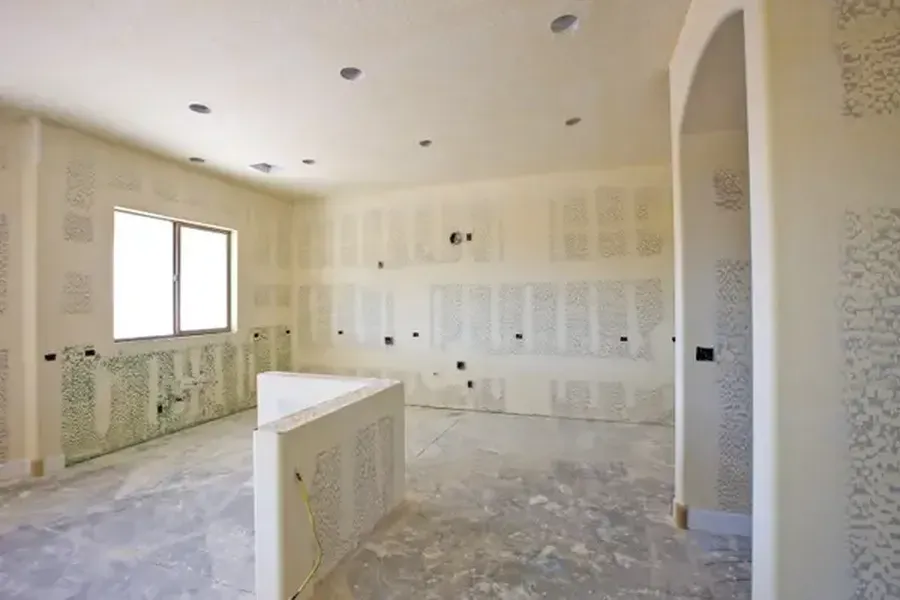
Understanding Sheetrock Basics
Before diving into the installation process, it’s important to understand what sheetrock is. It consists of gypsum plaster sandwiched between two sheets of heavy paper. It’s used for creating walls and ceilings and provides a smooth surface for painting. Proper handling and installation are crucial because mishandling can damage the material or result in an uneven finish.
The Importance of Measuring Accurately
One major mistake in sheetrock installation involves inaccurate measurements. Ensure you measure the area where the sheetrock will be installed carefully. A small miscalculation can mean having to cut additional pieces or dealing with gaps. Use a tape measure, level, and square to get precise dimensions before cutting any sheet.
Choosing the Right Tools and Materials
Another common issue arises when people select inappropriate tools or materials for the job. Using the wrong types of screws, nails, or joint compound can compromise the integrity of your installation. Make sure to use proper drywall screws that are specifically designed for sheetrock installation. Also, ensure that the joint compound matches the type of drywall you are using.
Ensuring Proper Joint Treatment
A frequent mistake is poor treatment of joints. This step is crucial for achieving a seamless appearance. Start by applying a thin layer of joint compound over the seams, then place drywall tape over it before smoothing everything out. Once dry, apply another layer of compound, feathering it out from the seam edges for a smoother look. Sand between layers to eliminate ridges.
Maintaining Correct Fastening Techniques
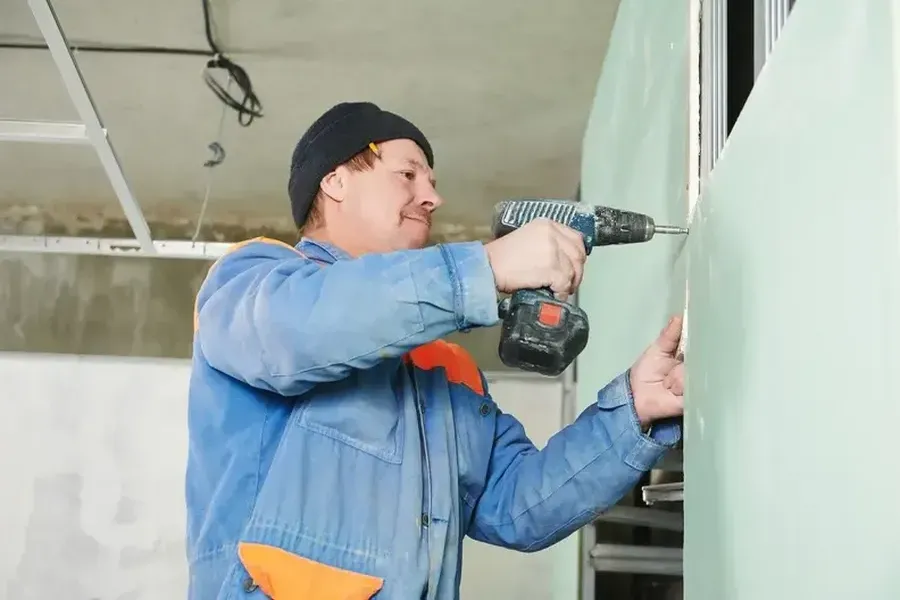
Another critical aspect of installing sheetrock correctly is fastening it securely to the wall studs without driving screws too deep. Overdriving screws can tear through the paper surface and reduce holding strength. To avoid this, stop driving screws just as their heads become flush with the drywall’s surface.
Dealing With Electrical and Plumbing Obstacles
Many installations involve working around electrical wires and plumbing pipes. Cutting openings for fixtures like outlets or switches requires precision to maintain functionality and safety. Always turn off electricity when working near outlets and consult with a licensed plumber if adjustments to plumbing lines are necessary.
Final Tips for Success
- Ensure all materials are stored flat to prevent warping.
- Use a utility knife to cut sheetrock-score, snap, and clean up edges with a rasp.
- Always wear protective gear such as goggles and masks when cutting or sanding drywall.
- Clean up dust regularly to minimize respiratory issues.
Reach Out for Professional Help
If you’re tackling a large project or feel uncertain about certain steps, consider reaching out to professionals who specialize in drywall installation. They have the experience and tools needed to handle complexities that may arise during your project.
Your Trusted Experts in Drywall Services
For those needing expert assistance with their renovations, our team at Grace Home Improvements And General Contractors offers top-notch services based in Spring Valley, NY. We strive to deliver quality results tailored to your specific needs. Contact us today at (845) 821-4933 to discuss how we can help bring your vision to life.